 how-to
What Is Precision Hair Styling? A Complete 2026 Guide
Table of Contents
- What Precision Hair Styling Really Means
- Precision Cutting Techniques That Shape the Result
- Matching a Precision Haircut for Different Hair Types
- Frequently Asked Questions
Last Updated: October 13, 2026
What Precision Hair Styling Really Means
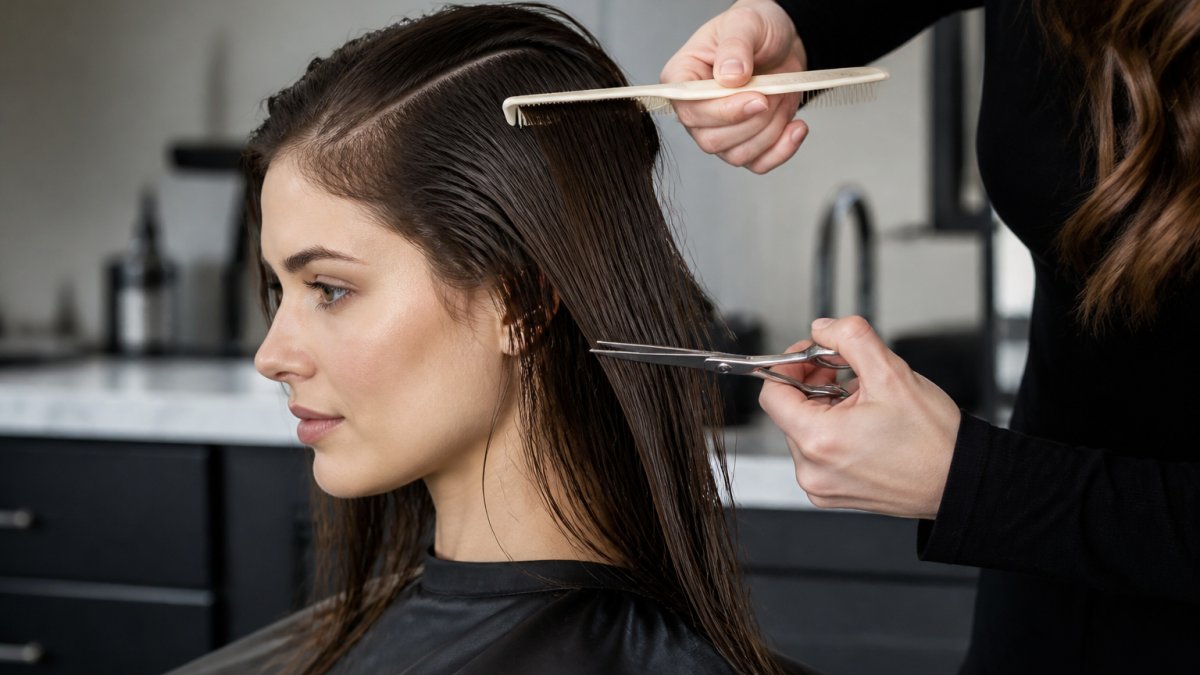
Precision hair styling uses exact sectioning, controlled angles, and clean guide lines so the shape grows out well and styles easily at home.
The difference shows up weeks later. A precision haircut holds its silhouette between visits. A rushed cut loses shape fast.
Most people think precision styling means "very short" or "very sharp." It means every strand is cut with intent.
- Planned sections keep the cut balanced
- Accurate length stops one side drifting longer
- Clean lines make daily styling faster
- Scissor control decides how the ends behave
Precision Cutting Techniques That Shape the Result
The techniques behind a precision haircut all serve one goal: a shape that moves and holds.
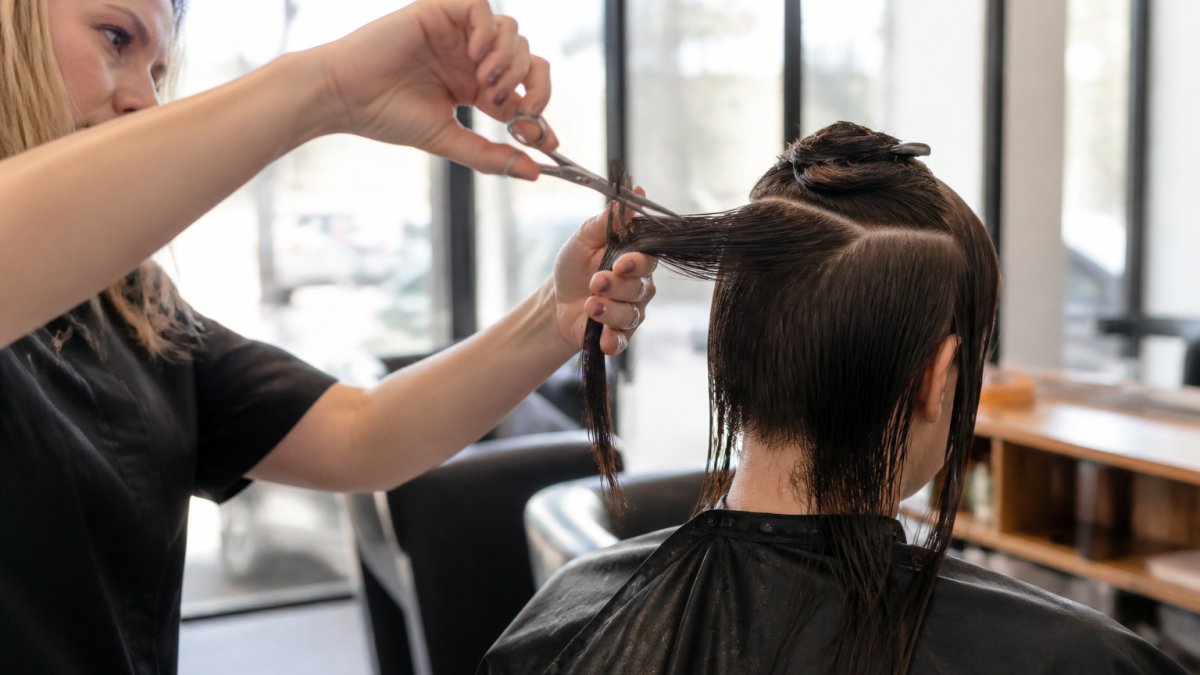
Here's how the main methods differ:
| Technique | What It Does | Best For |
|---|---|---|
| Point cutting | Softens ends, adds movement | Blended layers |
| Advanced layering | Builds shape and volume | Long or thick hair |
| Texturizing | Removes weight, adds texture | Dense or heavy hair |
| Elevation work | Controls where volume sits | Fine or flat hair |
Elevation is the angle you hold hair away from the head: low builds weight, high builds movement. Cutting angles decide how layers meet, and meet points keep the shape connected.
Get these wrong and the cut fights the hair. Get them right and styling becomes simple.
Matching a Precision Haircut for Different Hair Types
No single precision haircut suits every head. Hair type, density, and behavior change the plan.
- Fine hair: lower elevation, minimal texturizing, sharper lines
- Thick or dense hair: more texturizing to remove weight
- Curly hair: cut dry or with care, since curls shrink as they dry
- Color-treated hair: gentler point cutting to protect fragile ends
A good stylist reads how your hair falls before the first cut, shaping the angles, layering, and finish.
How often should you get a precision haircut?
Most people should book a precision haircut every 6 to 8 weeks; short cuts need 4 to 6 weeks, longer shapes 10 to 12 weeks.
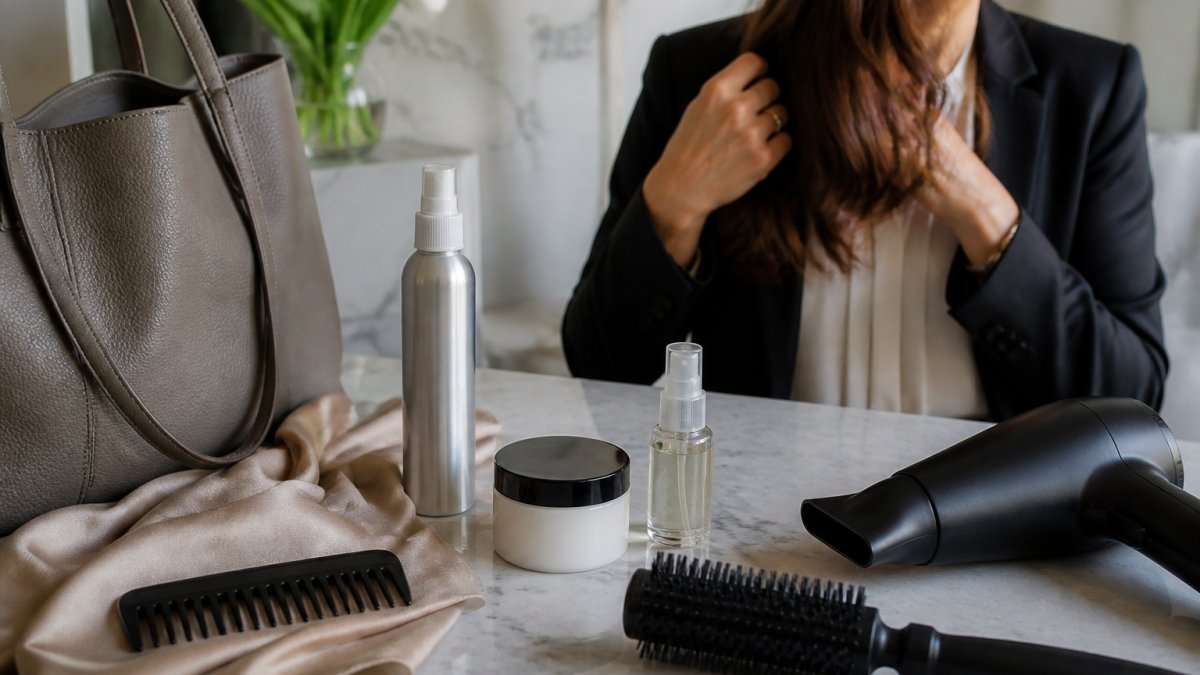
Between visits, protect the shape: wash with a gentle shampoo, apply heat protectant before any hot tool, dry with the shape, and trim split ends when they appear.
Precision styling at home differs from precision cutting: cutting changes the structure, styling works within it. You maintain the shape; you don't rebuild it.
Frequently Asked Questions
What does a precision haircut mean?
A precision haircut is cut with intentional sectioning, controlled elevation, and accurate angles rather than freehand trimming. Each section is measured against a guide line so the final shape has clean lines, balanced weight, and predictable movement. The result is a cut that grows out evenly and is easier to style at home, which is why it is often chosen by clients who want a consistent, polished look between appointments.
How is a precision haircut different from a regular haircut?
A regular haircut often focuses on removing length and shaping by eye. A precision haircut starts with planned sections, established guide lines, and consistent cutting angles so every strand meets the intended shape. That technical approach produces accurate length relationships, cleaner lines, and better balance. It also means the cut holds its structure longer, so regrowth looks intentional instead of uneven.
How often should you maintain a precision haircut?
Most clients return every four to eight weeks, depending on hair length and growth speed. Short, structured cuts usually need a visit closer to four weeks to keep edges sharp. Longer layered precision cuts can stretch to six or eight weeks if the shape still falls well. Your stylist can set a maintenance schedule based on your hair behavior and personal style.
The real challenge with precision hair styling is finding someone who cuts with this level of control. Kesley Studio is built for exactly that: an ultra-premium, high-fashion salon with expert precision styling, personalized consultations, and seamless online appointment scheduling. Book your next session with Kesley Studio and keep your signature look sharp between visits.