 how-to
Best Practices for Hair Maintenance: 2026 Guide
Table of Contents
- Build a Hair Maintenance Routine Around Your Hair Type
- How Often to Wash Hair Without Stripping It
- Conditioning, Moisture, and the Mid-Lengths
- Heat Protection for Hair: Styling Without the Damage
- Drying, Detangling, and Reducing Breakage
- How Often Should You Get a Haircut? A Realistic Schedule
- Color-Treated Hair Maintenance That Protects Your Investment
- Troubleshooting Common Hair Concerns and When to See a Professional
- Frequently Asked Questions
Last Updated: October 9, 2026
Build a Hair Maintenance Routine Around Your Hair Type
Hair maintenance is the daily and weekly care that keeps hair clean, strong, and true to its natural texture. It starts with one honest question: what kind of hair do you actually have?
Most guides hand you the same advice no matter who you are. That's the first mistake. A routine that works for fine hair can weigh down curls.
Our framework comes down to four things:
- Density: how much hair you have on your scalp
- Texture: the width of each strand, from fine to coarse
- Pattern: straight, wavy, curly, or coily
Change any one of these and the routine changes with it.
Fine, Thick, Curly, and Coily: What Changes
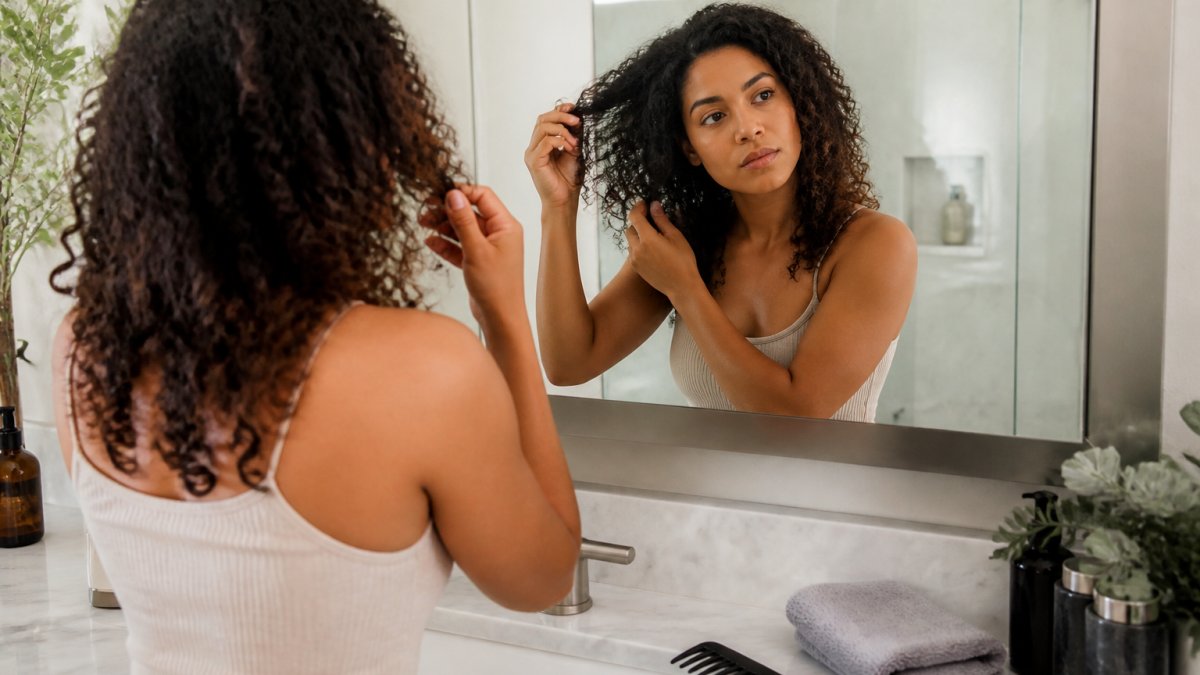
Fine hair shows oil faster and loses volume with heavy products, so wash more often and keep conditioner light, applied only to the ends. Thick hair holds moisture better but takes longer to dry, so gentle drying matters more than frequency. Curly and coily hair runs dry because oils struggle to travel down the bends, so it needs less washing and more moisture.
How Often to Wash Hair Without Stripping It
There is no single correct number.
Watch your scalp, not the calendar. If it feels greasy by evening, wash more often. If it feels tight and itchy after washing, you're overdoing it.
According to the American Academy of Dermatology's hair care guidance, how often you wash depends on hair type and how oily your scalp is, and daily washing is fine for some people.
Scalp First, Ends Last
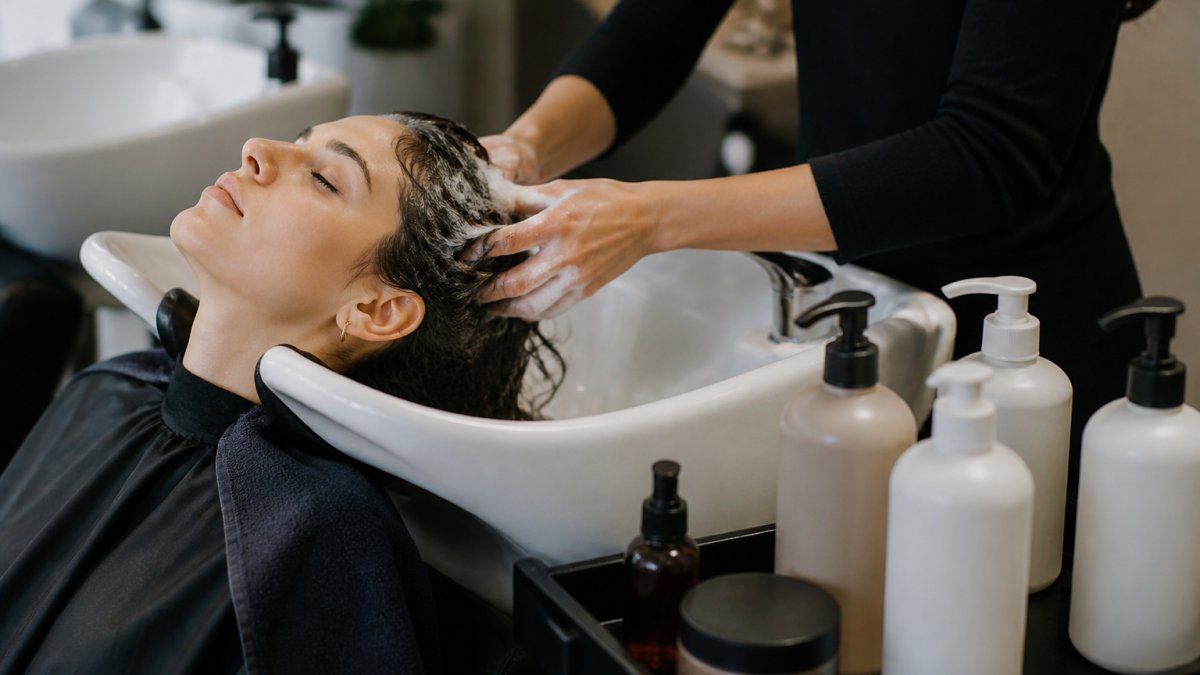
Shampoo belongs on your scalp, where oil and buildup collect. Apply it at the roots, massage gently with your fingertips, and let the suds rinse down through the lengths, the ends get cleaned without being stripped.
Conditioner works the opposite way: keep it on the mid-lengths and ends, and skip the scalp unless your hair is very dry. Rinse with lukewarm water instead of hot, which lifts the cuticle and leaves hair rough and dull.
Conditioning, Moisture, and the Mid-Lengths
Conditioner is where moisture lives, and the mid-lengths and ends need it most, they're the oldest, driest parts of your hair and take the most abuse from brushing, heat, and the environment.
Protein and moisture are not the same thing. Moisture hydrates and adds softness; protein rebuilds structure in hair that has been stretched or broken. Too much protein makes hair stiff and brittle, so use protein treatments only when hair feels weak and stretchy, not weekly.
Heat Protection for Hair: Styling Without the Damage
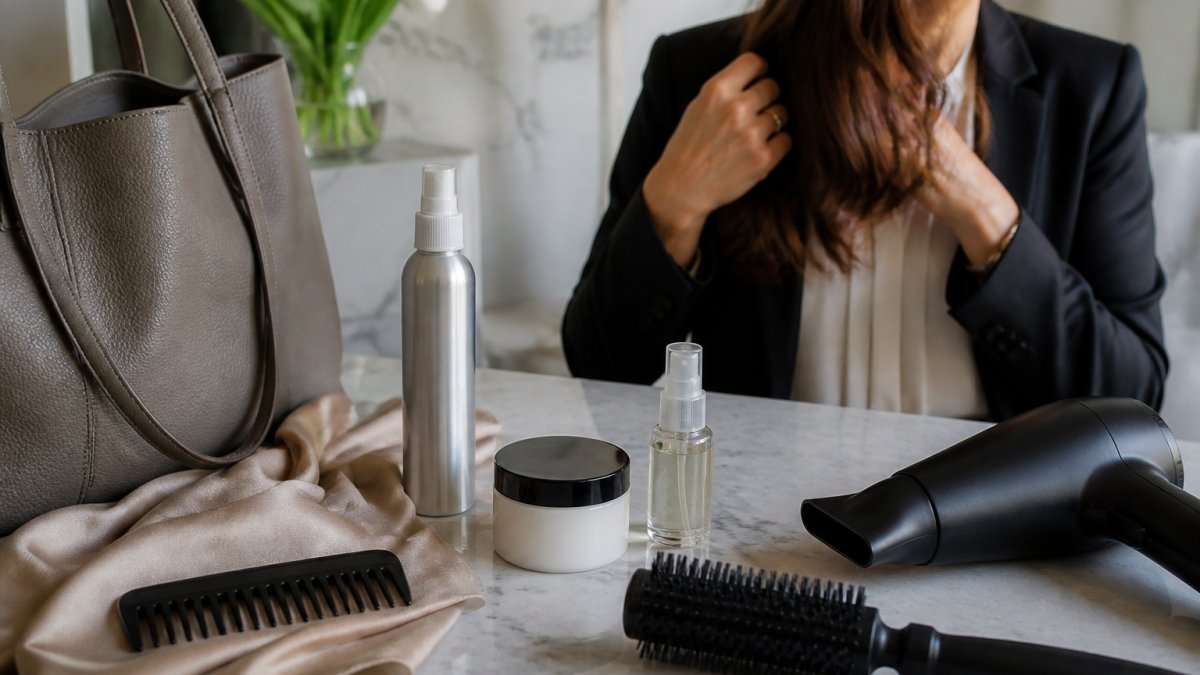
Heat protection for hair is a styling product applied before blow-drying, straightening, or curling to reduce heat damage. It coats the strand and slows how fast heat reaches the core; skipping it is one of the fastest ways to cause split ends and breakage.
Lower the temperature and you lower the risk. Fine hair burns at lower settings than thick hair, so match the heat to your texture. Keep the tool moving, and never hold it on one section for more than a few seconds.
- Always apply a heat protectant before any hot tool
- Use the lowest heat setting that still does the job
- Keep the dryer moving and hold it several inches away
Drying, Detangling, and Reducing Breakage
Wet hair stretches and breaks more easily than dry hair, so handle it with care. Swap your bath towel for a microfiber towel or soft cotton t-shirt, rough rubbing creates friction, which causes frizz and split ends.
Detangle from the bottom up: start at the ends and work upward in small sections, using a wide-tooth comb or your fingers first. Yanking a brush from root to tip pushes tangles into knots and snaps strands.
- Blot, don't rub, to remove excess water
- Let hair air-dry when you can
- If you blow-dry, keep the nozzle pointed down the strand
How Often Should You Get a Haircut? A Realistic Schedule
Most people should get a trim every 8 to 12 weeks, though the right answer depends on your length, texture, and styling.
Fine or short hair often needs a trim every 6 to 8 weeks to keep its shape. Curly hair can stretch to 10 to 12 weeks because the curl pattern hides small trims. If you're growing your hair out, you can go longer between cuts, but regular dusting still keeps the ends healthy.
| Hair Situation | Trim Frequency | Why |
|---|---|---|
| Short, structured cuts | Every 6-8 weeks | Shape fades fast |
| Fine hair | Every 6-8 weeks | Ends split quickly |
| Medium, straight hair | Every 8-12 weeks | Balanced upkeep |
| Curly or coily hair | Every 10-12 weeks | Pattern hides trims |
| Growing hair out | Every 12 weeks or more | Keeps ends healthy |
Color-Treated Hair Maintenance That Protects Your Investment
Color-treated hair maintenance starts with less washing and more moisture. Color opens the cuticle to deposit pigment, leaving hair drier and more porous, so the more you wash, the faster it fades.
But the bigger opportunity most guides miss is matching products to your scalp and hair needs, not just buying whatever is labeled 'color-safe.' Here's a neutral framework for choosing cleansers, conditioners, and styling products.
Choose Cleansers by Scalp Condition, Not Hair Color Alone
- Oily scalp, color-treated hair: Look for a sulfate-free or low-sulfate shampoo with gentle surfactants. Sulfates clean well but can strip color faster. If your scalp gets greasy by evening, a daily gentle cleanser is fine, just avoid harsh clarifying formulas except once every week or two.
- Dry or sensitive scalp: Choose a cream or moisturizing cleanser with glycerin, aloe, or mild oils. Avoid menthol, strong fragrances, and high-alcohol formulas that can sting or dry the scalp further.
- Flaky or buildup-prone scalp: A medicated shampoo with zinc pyrithione, ketoconazole, or salicylic acid can help, but use it only on the scalp and follow the label. Rotate it with a gentle color-safe shampoo so you are not over-treating the lengths.
Conditioners and Masks: Match the Weight to Your Strand
- Fine hair: Use a lightweight, water-based conditioner on the ends only. Heavy butters and oils weigh fine hair down and make it look greasy faster.
- Medium to thick hair: A richer conditioner with fatty alcohols (cetyl, stearyl) and oils can add slip and softness without buildup.
- Curly, coily, or highly porous hair: Look for conditioners with humectants (glycerin, honey), oils (coconut, olive, jojoba), and sometimes hydrolyzed protein. Leave-in conditioners and weekly masks help replace moisture that coloring strips away.
Styling Products: Read the First Five Ingredients
Ingredients are listed by concentration, so the first five tell you what the product mostly is. Water is usually first. If alcohol denat. or SD alcohol appears near the top, the product may dry your hair over time. Silicones (dimethicone, cyclopentasiloxane) can smooth and add shine, but they can also build up, clarify every few weeks if you use them daily.
Heat, Water, and Time: The Three Levers You Control
Heat is the other enemy. Hot tools and hot water speed up color loss, so keep styling temperatures low and give hair a break between sessions. A weekly hair mask replaces the moisture coloring strips away, and rinsing with cool or lukewarm water helps seal the cuticle and slow fade.
According to the American Academy of Dermatology's guidance on hair treatments, chemical processing such as coloring and perming can damage hair, and gentle handling helps limit the harm.
Troubleshooting Common Hair Concerns and When to See a Professional
Most hair concerns have a fixable cause, but some need a doctor, not a product. This section maps common symptoms to likely routine adjustments and flags the signs that need medical attention, a decision guide to help you ask better questions.
A Troubleshooting Guide: Match the Symptom to the Likely Cause
- Excess shedding: Some daily shedding is normal, most people lose dozens of hairs a day. Sudden or heavy loss can point to stress, diet, hormonal changes, or a health issue. If you notice clumps of hair coming out or thinning patches, see a doctor.
- Dry, brittle ends: Usually too much heat, chemical processing, or skipped conditioning. Try lowering heat tool temperatures, using a heat protectant, and adding a weekly moisture mask. If ends still snap, a trim may be the fastest fix.
- Oily scalp with dry ends: Wash the scalp, condition the ends, and stop applying product at the roots. A gentle daily cleanser for the scalp plus a lightweight conditioner on the ends often balances this. Avoid heavy oils on the scalp.
Scalp Health: What Is Routine and What Needs a Doctor
Your scalp is skin, and it can react to products, stress, and health changes. Routine dryness, mild flaking, or occasional itchiness often responds to gentle cleansing, less frequent washing, or a medicated dandruff shampoo. But some signs need medical attention:
- Persistent itching, burning, or pain
- Redness, swelling, or sores on the scalp
- Scaling or crusting that does not improve with over-the-counter treatment
If you notice any of these, see a doctor or dermatologist. They can check for conditions like seborrheic dermatitis, psoriasis, fungal infections, thyroid issues, or nutritional deficiencies. A stylist can spot damage early and adjust your routine, but they cannot diagnose medical conditions.
Nutrition and Lifestyle: Supporting Hair from the Inside
Nutrition plays a supporting role. A balanced diet with enough protein, zinc, iron, and omega-3 fatty acids supports healthy hair from the inside. No supplement replaces a good routine, and megadoses of some vitamins can be harmful. If you suspect a deficiency, ask a doctor first.
For everything else, a stylist can help you troubleshoot breakage, frizz, and styling damage before small problems become big ones.
Frequently Asked Questions
How often should you wash your hair?
It depends on hair type, oiliness, and buildup. Oily or fine hair often needs washing every one to two days, while thick, curly, or coily hair can go three to seven days between washes. Dry or color-treated hair usually does best with less frequent washing to preserve moisture. Pay attention to how your scalp feels rather than following a fixed rule, and adjust your hair maintenance routine seasonally.
What is a good daily hair care routine?
A simple daily routine focuses on gentle handling. Use lukewarm water, apply shampoo mainly to the scalp, and condition the mid-lengths and ends. Detangle with a wide-tooth comb while hair is damp, dry gently with a microfiber towel, and avoid tugging or rough brushing. If you heat style, always apply a heat protectant first. Daily care is about reducing friction and damage, not adding more products.
How do you maintain color-treated hair between salon visits?
Color-treated hair maintenance starts with washing less often and using products formulated for colored hair. Rinse with lukewarm rather than hot water, limit heat styling, and use a hair mask or deep conditioner weekly to support moisture. Book trims and color refreshes on a consistent schedule, typically every four to eight weeks depending on how fast your hair grows and how lightened it is.
How can you prevent split ends and breakage?
Prevention comes down to reducing friction and heat. Detangle gently with a wide-tooth comb, dry with a microfiber towel, and avoid brushing wet hair aggressively. Limit heat styling, always use heat protection for hair, and trim regularly to stop split ends from traveling up the strand. A balanced diet with protein, zinc, and omega-3 fatty acids also supports stronger hair over time.
A good routine is personal, and getting it right the first time saves years of trial and error. Kesley Studio builds precision styling around your hair type, texture, and color, with expert consultations that tailor every step to your look. Our ultra-premium studio pairs high-fashion results with seamless online appointment scheduling, so booking your next session takes seconds. Get started with Kesley Studio and keep your signature look sharp between every visit.